DMARC Reports Explained: What They Are and How to Read Them
DMARC Reports: Like Google Analytics for Your Email Domain
Why DMARC Reports Matter Now
SPF, DKIM and DMARC: Where DMARC Reports Come From
Don't want to read DMARC reports yourself? We set everything up for you and show you how to read the reports.
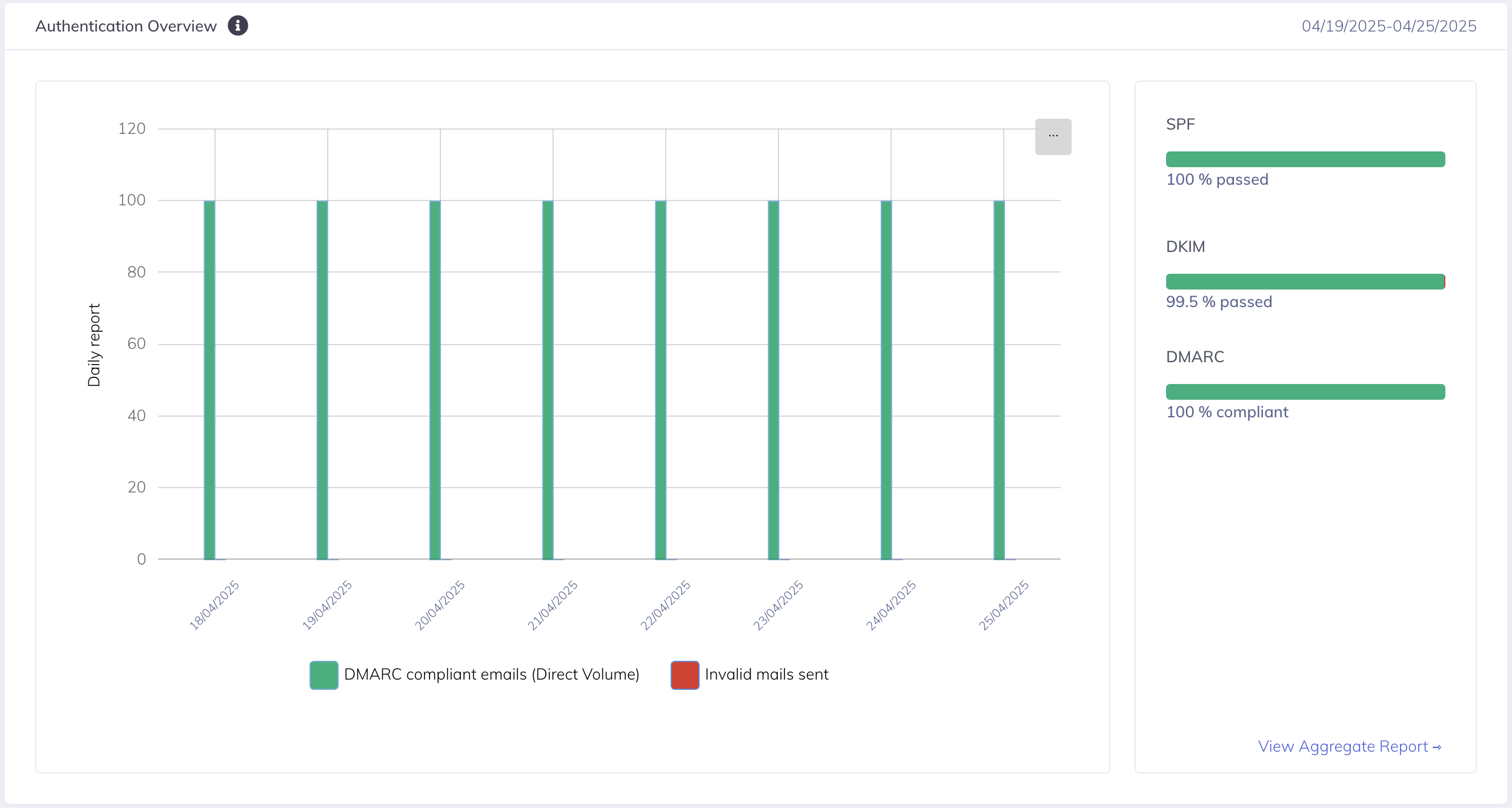

To combat these threats and meet new sender standards, you need to understand and implement three key email authentication protocols:
- SPF (Sender Policy Framework): This record specifies which mail servers are authorized to send emails on behalf of your domain. Think of it as a guest list for your email.
- DKIM (DomainKeys Identified Mail): DKIM adds a digital signature to your emails, verifying that the message content hasn't been tampered with in transit and that it genuinely originated from your domain. It's like a tamper-proof seal on a letter.
- DMARC (Domain-based Message Authentication, Reporting & Conformance): DMARC builds upon SPF and DKIM. It tells receiving mail servers what to do with emails that fail SPF or DKIM checks (e.g., quarantine them or reject them outright). Crucially, DMARC also provides reports, giving you visibility into who is sending email using your domain – both legitimate and fraudulent.
Let Us Read Your DMARC Reports for You
BIMI will do all the heavy lifting for you.
Step 1: Book a free 15-minute demo. We explain how DMARC monitoring works and run a free DMARC check of your domain live with you.
Step 2: Start your free 15-day trial. We set everything up and show you how to read the reports.

Step 3: Relax.
Still Reading DMARC Reports by Hand?
Many companies only allocate budget after the damage is done; when their reputation is already harmed and the true cost is far greater than a simple $19/month. Taking action early is far more affordable than fixing the consequences later.