How Two Companies Paid Fake Invoices — And How BIMI & VMC Could Have Prevented It
How Two Companies Paid Fake Invoices — And How BIMI & VMC Could Have Prevented It
Email remains one of the most widely used communication channels in business — and unfortunately, one of the easiest to exploit. In the past year, two mid‑sized European companies became victims of a classic but highly effective attack: fake invoices sent from look‑alike domains.
Both companies believed they were paying legitimate suppliers. Both processed the invoices without suspicion. And both later discovered the same painful truth:
the emails didn’t come from their partners at all.
What Went Wrong
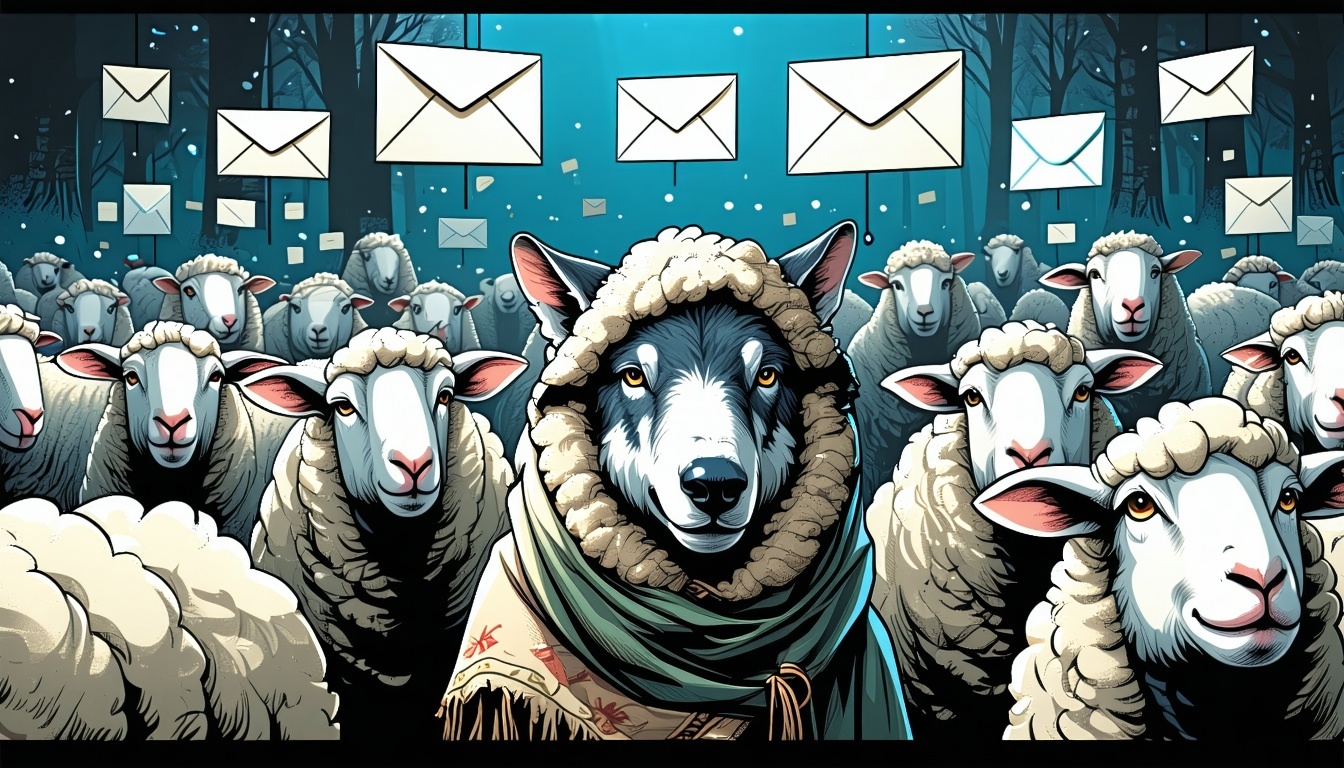
In both cases, attackers registered domains that looked almost identical to the real supplier domains. A single letter changed, a hyphen added, or a different top‑level domain — enough to fool a busy finance department.
Because the legitimate companies had:
- no DMARC enforcement,
- no BIMI,
- no VMC (Verified Mark Certificate),
…their partners had no visual or technical way to verify the authenticity of the sender.
The result:
- The fake domain passed basic checks
- The email looked routine
- The invoice looked legitimate
- The payment was processed
No warnings. No visual cues. Just a costly mistake.
How BIMI and VMC Could Have Stopped This
BIMI
BIMI (Brand Indicators for Message Identification) allows organizations to display a verified brand logo in supported inboxes — but only when the domain passes strict authentication (SPF, DKIM, DMARC).
If the real suppliers had BIMI:
- Their partners would expect to see the official logo
- Any email without the logo would immediately look suspicious
- A look‑alike domain would fail BIMI and show no brand indicator
This alone would have raised a red flag.
VMC (Verified Mark Certificate)
A VMC is a digital certificate that cryptographically proves that the logo belongs to the organization. It requires:
- a registered trademark,
- a verified identity,
- and DMARC enforcement.
With a VMC:
- Only the legitimate company can display the verified logo
- Attackers cannot fake or imitate it
- Partners instantly recognize authentic communication
In short:
BIMI gives visibility. VMC gives trust. Together, they prevent exactly these types of invoice fraud attacks.
The Lesson
These two companies didn’t lose money because their finance teams made a mistake.
They lost money because their suppliers lacked modern email authentication and visual identity protection.
In a world where look‑alike domains can be registered in minutes, brand verification is no longer optional.
How to Protect Your Organization
To avoid becoming the next victim:
- Enforce DMARC (quarantine or reject)
- Implement SPF and DKIM correctly
- Deploy BIMI
- Secure your brand with a VMC certificate
- Educate partners and clients to look for your verified logo
A small investment in authentication prevents large losses in the future.
BIMI Is Mainstream — Is Your Brand Ready?
Ready to implement BIMI across major email platforms? Contact our agents today for expert guidance.
Explore our FAQ on DMARC Compliance to learn how it supports successful BIMI implementation.
Supported platforms: Gmail, Yahoo Mail, Apple Mail, Fastmail, AOL, and more.
Build trust: Verified logos reassure recipients of email authenticity.
Boost engagement: Increase open rates with enhanced inbox branding.